People trust the creators they follow every day. That’s why influencer marketing has become such a big part of how brands grow.
The numbers back it up.
A staggering 92 percent of consumers trust recommendations from influencers more than traditional ads or celebrity endorsements.
That credibility is a big reason why influencer marketing keeps growing each year.
Brands also turn to influencers because people want authenticity. They want real voices and real experiences. They want content that feels personal.
What happens when you combine that with the massive reach creators have on platforms like Instagram, TikTok, and YouTube? You get a marketing channel that can drive awareness, traffic, and sales faster than most alternatives. That includes standard social media marketing.
In this guide, you’ll learn what influencers do, how influencer marketing works, and how to find the right partners for your brand.
Key Takeaways
- Influencer marketing is about tapping into creators who already have trust and attention with your ideal customers. You’re not just renting their reach for a single post.
- Every tier has a role: Mega- and macro-influencers drive reach, while mid-tier, micro-, and nano-creators tend to deliver stronger engagement and conversions.
- Almost any business can use influencer marketing, including B2B. The key is audience fit, not brand size or industry.
- Costs range widely by platform and tier, so treat rate charts as benchmarks. Pay for impact you can measure, not just vanity metrics.
- Strong programs follow a process: clear goals, the right creators, tight contracts, transparent FTC-compliant disclosure, and performance tracking with links, codes, and real business metrics.
What Is Influencer Marketing
An influencer is someone who can shape opinions or buying decisions because people trust their voice.
Social platforms made that influence accessible to almost anyone. Creators like Charli D’Amelio and Khaby Lame (pictured below) built massive audiences from scratch, while celebrities like Kylie Jenner amplify the reach they already have.

Influencer marketing uses that trust to promote products or services.
Brands work with influencers to create content that feels native to the platform:
- Short-form videos
- Product reviews
- Tutorials
- Unboxings
- Livestreams
Some brands even build full campaign partnerships with influencers, bringing them into everything from creative planning to multi-post launches that run across several platforms.
These formats work because they blend into the creator’s everyday content instead of feeling like traditional ads.
The influencer industry keeps expanding. The global influencer marketing market topped $30 billion in 2025 and is on pace to surpass $120 billion by 2030. And brands are investing heavily, with 80 percent of them maintaining or increasing their influencer marketing budgets in 2025.
Who Can Use Influencer Marketing?
You’ll see these collaborations across every sector. Fashion, beauty, e-commerce, entertainment, you name it. Heck, even the World Health Organization used a virtual influencer to lead a COVID-19 prevention campaign.
Close to 90 percent of companies with more than 100 employees planned to use influencers in 2025, showing just how mainstream influencer marketing has become.
On the B2C side, creators drive real traction for e-commerce, food and beverage, fitness, home décor, travel, and entertainment. These industries benefit from how visual and fast-moving platforms like TikTok, Instagram, and YouTube are.
But the biggest shift is in B2B.
Experts, analysts, and technical creators now build large followings on LinkedIn, X, and YouTube by teaching complex topics in simple ways. Brands tap these voices to explain products, review tools, share workflows, or demonstrate use cases. And it works because the creator already has trust and credibility with the exact audience you want.
If your customers spend time online (and they do), there’s an influencer with reach in your category.
Why Is Influencer Marketing Important?
Influencer marketing matters because people trust other people more than they trust brands. Your brand becomes more enticing and trustworthy just by association.
It makes sense if you think about it, particularly in a world where AI-generated content floods every corner of the internet.
When consumers aren’t sure what’s real, they lean on creators they already follow—people who show their faces and share their processes.
Think of it this way: You probably wouldn’t trust a person at a cocktail party who brags about themselves, trying to convince you to become their friend. But chances are you’ll believe the mutual friend who vouches for that person.
An influencer is that mutual friend.
Their credibility transfers to you. If a creator your audience respects talks about your product, it lands differently than a traditional ad or a brand-written post. It feels like a recommendation from someone they know.
A quick walkthrough, a tutorial, or a “day in the life” clip can show how your product works far better than a polished studio ad. It helps buyers understand what you do before they ever hit your site.
Influencers also give you reach you can’t get on your own. Their communities already exist. You tap into that attention instantly, instead of building it from scratch.
Why Is Influencer Marketing Effective?
There must be a reason so many brands are investing hundreds of thousands of dollars into influencer marketing, right? Consider this staggering statistic: 94 percent of marketers say influencer marketing drives more return on investment (ROI) than traditional digital advertising.
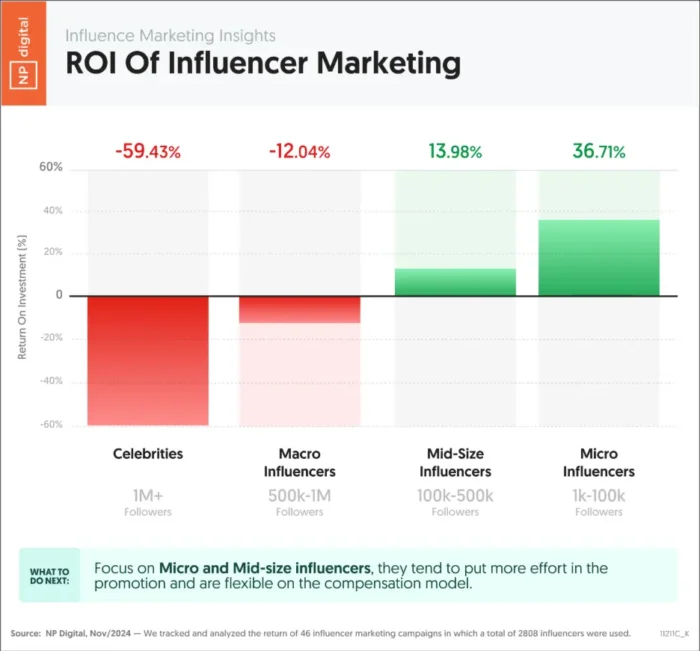
But what makes it so effective?
The unstoppable rise of social media obviously plays a part. There are now well over 5 billion social media users around the world, equating to more than two-thirds of people on Earth. On average, users spend more than two hours per day on average on social media.
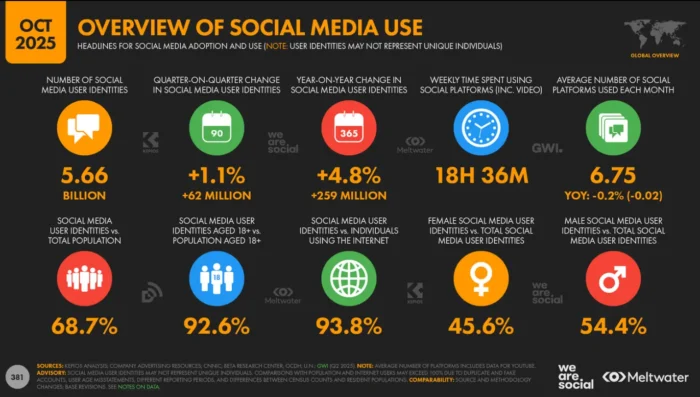
Then there’s the person-to-person connection.
It seems that a lot of consumers trust the opinions of influencers. In fact, research shows that a whopping 77 percent of consumers trust content from influencers over traditional ads.
There’s also a generational element to it. Younger buyers—Gen Z and millennials—tend to rely heavily on influencer guidance when making purchase decisions. In fact, Gen Z is twice as likely to trust influencers as baby boomers.
Influencers also explain products in ways people understand. A quick tutorial, demo, or “I use this every day” clip can communicate value faster than any static ad. It reduces uncertainty and helps potential customers visualize your product in their world.
What Are the Different Types of Influencers?
Influencers are typically grouped by audience size, not just by what they’re known for. Most brands work within five tiers:
- Mega-influencers
- Macro-influencers
- Mid-tier influencers
- Micro-influencers
- Nano-influencers
Each group brings different reach and engagement levels (price points, too, but more on that later). And each plays a unique role in a campaign.
Mega-Influencers
- Follower count: Typically more than 1 million
Mega-influencers are some of the biggest and most popular influencers.
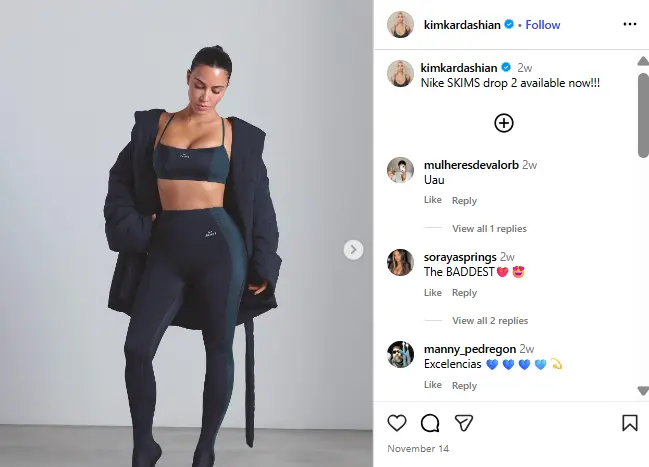
Many are celebrities who became famous away from social media. Think movie stars, pop stars, sports stars, and TV personalities, like Ryan Reynolds or Kim Kardashian.
Others are creators who built massive audiences entirely online. Think people like Khaby Lame, Addison Rae, or MrBeast, whose platforms turned them into global names.
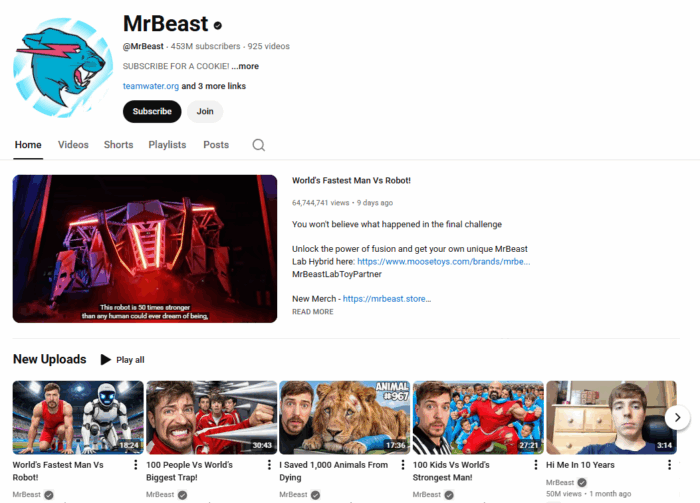
This tier works best when the goal is broad awareness. You’re paying for cultural reach, not deep engagement. That’s why they’re often used for major launches, national campaigns, product drops, or high-impact moments.
Brands need bigger budgets to work with mega-influencers, but the payoff is unmatched scale.
Macro-Influencers
- Follower count: Typically between 100,000 and 1 million
Macro-influencers tend to be well-known creators, podcasters, YouTubers, or niche personalities. They’ve often built their fame online and not through traditional celebrity channels.
They hit a sweet spot for many brands: They offer high reach, but with more consistent engagement than mega-influencers. Their audiences tend to be more aligned with their niches, like travel, fitness, tech, gaming, beauty, and more. This gives brands stronger relevance and better targeting.
Think of creators like Taryn Truly, a body-positive fashion creator whose Instagram profile is pictured below, or Mina Le, a fashion and culture commentator.
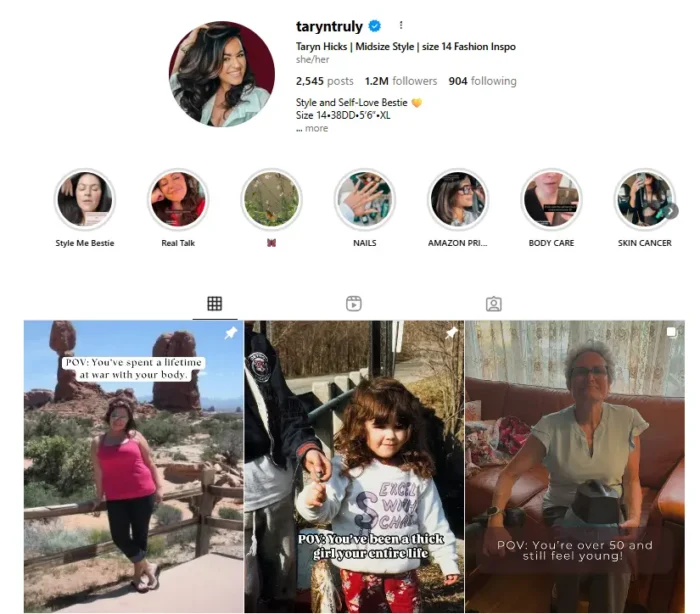
Macro-influencers may not be household names to everyone, but they wield major influence in specific categories. Their endorsement carries real weight with fans.
This influencer tier works well for brands that want meaningful visibility without the mega-influencer price tag. They’re extra valuable for things like product launches, category education, or content series that need a consistent creator presence.
Mid-Tier Influencers
- Follower count: Typically between 50,000 and 100,000
Mid-tier influencers are established creators who have proven they can grow and sustain an audience, but they aren’t yet operating at celebrity scale.
What makes mid-tier influencers valuable is the balance of reach and strong engagement. Their communities are still highly invested in their content, and their rates are more accessible than macro-level talent. That combination makes them ideal for performance-driven campaigns where you want conversions, affiliate sales, tutorials, or product demos that feel personal and trusted.
Maya Abdallah (wellness) is a great example of a mid-tier voice who consistently moves her audiences to action.
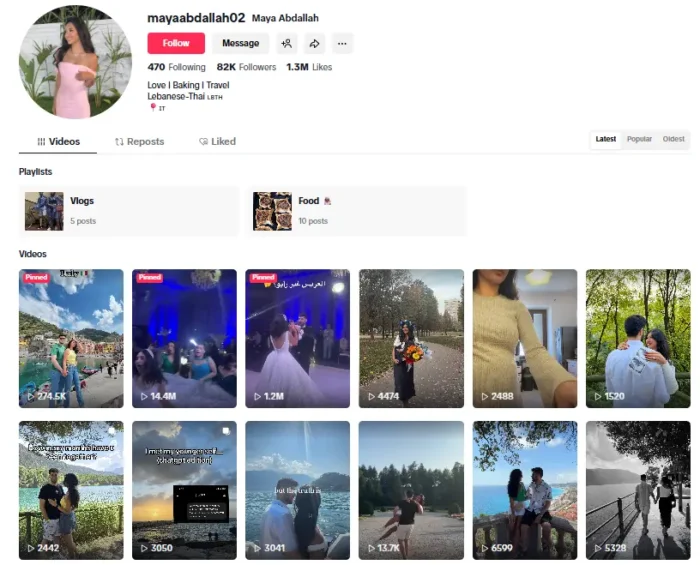
This tier is often the “workhorse” of influencer marketing, as they’re scalable and cost-efficient.
Micro-Influencers
- Follower count: Typically between 10,000 and 50,000
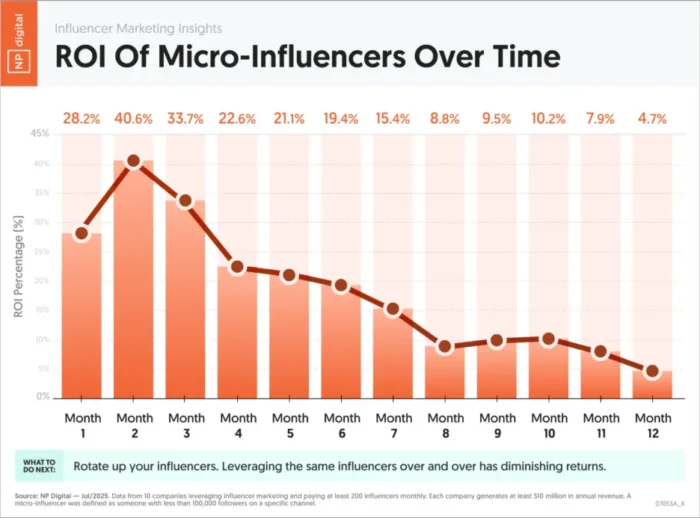
Micro-influencers are known for having some of the most engaged communities online. Their audiences follow them for specific expertise, like fitness, wellness, tech tips, budgeting, parenting, home decor, you name it.
Because their followers trust them deeply, micro-influencers often outperform larger influencers on engagement rate and conversion rate. They’re perfect for brands that need authenticity or niche targeting.
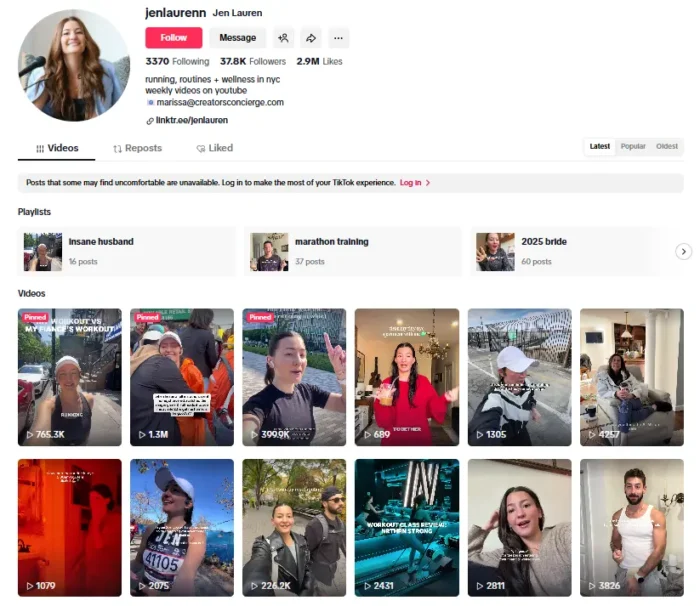
A strong example is creators like Jen Lauren, who built a tight-knit community around self-care and women’s fitness. Partners in wellness, boutique fitness, and online coaching spaces often see better ROI with creators like this than with larger names.
Micro-influencers are especially helpful for small and mid-sized brands. They’re also a great place to start if you’re testing influencer marketing.
Nano-Influencers
- Follower count: Typically between 1,000 and 10,000
Nano-influencers have extremely tight, loyal communities. Their audiences know them personally or feel like they do, which can drive high engagement rates.
This group is powerful for brands that want authentic word-of-mouth or hyper-local impact. They’re great for early-stage launches or local business marketing. With nano-influencers, it’s all about campaigns where credibility matters more than massive reach.
You’ll see nano-influencers thriving in categories like beauty, food, wellness, fashion basics, small business recommendations, and travel. An example is Marc Wanderlust, a nano travel creator whose tight-knit audience trusts his quick, practical destination tips.

Nano-influencers help brands show up in real conversations with audiences that actually care, making them one of the more cost-effective influencer tiers.
How Much Do Influencers Cost?
The short answer: It varies. Rates depend on audience size, engagement, niche, platform, and the type of content you need.
According to Influencer Marketing Hub’s latest Influencer Rates report, typical costs break down like this:
- Nano: $10–$100 per post
- Micro: $100–$500 per post
- Mid-tier: $500–$5,000 per post
- Macro: $5,000–$10,000 per post
- Mega: $10,000 or more per post; could be $1 million or more for some celebrities
TikTok
- Nano: $5–$25 per post
- Micro: $25–$125 per post
- Mid-tier: $125–$1,250 per post
- Macro: $1,250–$2,500 per post (or more)
- Mega: $2,500–$20,000 per post (or more)
Most creators work on flat-fee pricing, but affiliate commissions, usage rights, content licensing, and whitelisting can add to the cost. Product-only compensation is usually limited to nano creators and early-stage campaigns.
Influencer campaigns can reach five or six figures depending on talent and scope, so the key is paying at a level where you can realistically drive ROI.
How to Get Started With Influencer Marketing
Ready to run your first influencer campaign? Here’s a clear, practical process you can follow from start to finish.
1. Set clear goals.
Decide what you want to achieve before you reach out to anyone. Maybe that’s brand awareness, traffic, lead generation, content creation, or sales. Whatever the case, your goal determines the type of creator you work with and how you measure success.
2. Understand your audience.
Look at what your customers actually watch and follow online. Pay attention to the platforms they prefer and the types of creators they already trust. If I wanted to promote Ubersuggest, for example, I might look for SEO educators and marketing YouTubers.
3. Build a shortlist of relevant influencers.
We’ll cover this in depth below, but use influencer-discovery tools, social search, hashtags, competitor research, or even your own follower lists to find creators who already reach your target audience. Relevance beats reach every time.
4. Make your pitch.
Keep outreach simple and personal. Explain why you chose them, what you’re proposing, and what they’d get in return. Bigger creators may prefer email or agency contact; smaller creators often respond quickly to DMs.
5. Negotiate the scope and contract.
Outline deliverables, deadlines, usage rights, exclusivity, compensation, and Federal Trade Commission (FTC) disclosure requirements (more on this later). A straightforward contract protects both sides and keeps the project on track.
6. Launch and measure performance.
Use trackable links, codes, or UTM parameters to see what each creator drives. Review engagement, traffic, reach, saves, comments, and sales—whatever aligns with your original goals.
Influencer marketing works best when you treat it like a repeatable process and not a one-off post. Each campaign gives you data you can use to refine the next.
How to Find Your Ideal Influencers
Once you know your goals and your audience, you can start identifying influencers who actually make sense for your brand. I like to use three simple criteria to find influencers:
- Context: Does the creator naturally talk about topics related to your product or category?
- Reach: Do they have enough visibility for the results you want? Bigger isn’t always better, but your goals should match their audience size.
- Actionability: Can they inspire their followers to take action? Creators with the right niche and trust tend to perform best.
Use multiple discovery methods (not just one), and build a shortlist of creators who consistently show up in conversations your audience already cares about.
Social Media Monitoring
Brand advocates are the loudest influencers your brand can have. They’re already talking about you, and they’re reaching people who trust their recommendations.
You can find them by tuning in to your social media mentions and blog posts about your brand. Track who tags you, reviews your product, or mentions your name in posts or videos. Tools like Brandwatch, Sprout Social, Hootsuite Streams, and Mention make this easier by pulling all relevant mentions into one dashboard.
Social listening with tools like AnswerThePublic can also help you spot creators who consistently talk about your niche, even if they haven’t discovered your brand yet. For example, a skincare brand might find rising creators who frequently review moisturizers or post “routine” content that aligns with their audience.
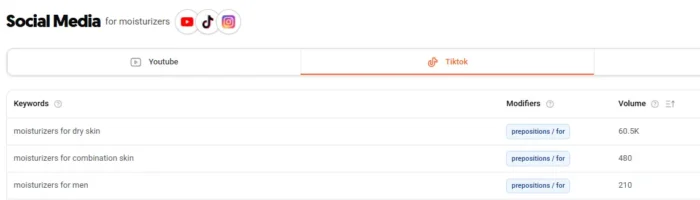
Start by adding promising creators to a shortlist and tracking their engagement and niche fit.
Research Hashtags
Identify the hashtags that your target market is using. Tuning in to the conversations surrounding these hashtags won’t just show potential influencers, you can also use it to identify blog topics, too.
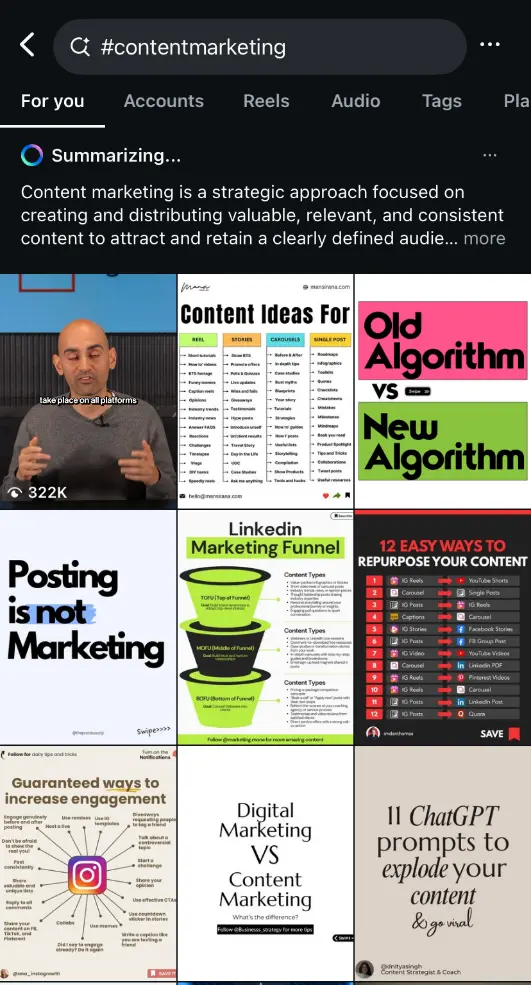
Hashtags are one of the fastest ways to find creators your audience already follows. Search for hashtags related to your niche or customer interests and not just your brand name. This is especially effective on Instagram and TikTok, where creators tag content by topic, format, or trend.
For example, if you sell running shoes, hashtags like #runnersofinstagram or #runtok will surface creators who post content your customers care about. You’ll quickly spot who gets real engagement versus who’s posting generic or low-quality content.
Scroll the TikTok grid for #runtok, and you’ll see it’s packed with running creators your audience already follows.

Once you identify potential influencers, follow them for a while. Note their engagement rate, tone and the types of products they naturally feature.
Save strong candidates to a spreadsheet so you can compare them later.
Dedicated Influencer Platforms
Influencer platforms make discovery much easier by giving you searchable databases of creators, complete with audience insights, engagement metrics, and pricing estimates. Many also include campaign management tools.
Some of the most widely used platforms include:
- Aspire
- Upfluence
- GRIN
- Tagger
- CreatorIQ
- Impact.com
These tools let you filter by niche, location, platform, follower count, demographics, and brand affinity. That way, you can build a targeted shortlist in minutes instead of hours.
They’re especially useful if you want to scale your influencer program or track ROI more accurately.
Even if you’re running a small pilot, using a platform can help you confirm whether an influencer’s audience is real and aligned with your ideal customer.
Influencers and Disclosure
Influencer marketing only works when it’s transparent. The FTC has made that crystal clear. If a creator is paid, receives free products, earns affiliate commissions, or has any kind of material connection to your brand, they must disclose it clearly and up front.
That means no buried hashtags, no vague captions, and no “implied” relationships. The FTC expects disclosures like “#ad,” “#paidpartner,” or “Sponsored by…” to appear where viewers will actually see them. They can’t be hidden at the end of a long caption or inside a collapsed list of hashtags.
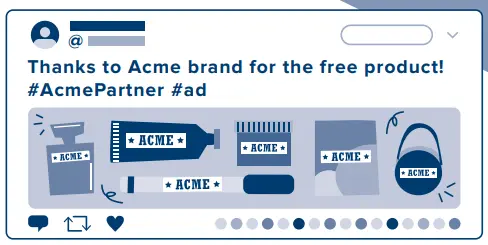
On video platforms, disclosures need to be spoken and written on screen, not just added in the description.
As a brand, you’re on the hook, too. Put disclosure requirements in your contracts, then actually enforce them by reviewing posts before they go live and saving copies of what was approved. That paper trail and clear labeling aren’t just to keep regulators off your back. They also signal to your audience that you’re being straight with them.
If your creator partnerships are transparent, everybody wins. That includes your customers.
FAQs
What is influencer marketing?
Influencer marketing is a strategy where brands partner with creators who have built trust and attention with a specific audience, then collaborate on content that features the brand or product. Instead of running a traditional ad, you tap into the influencer’s relationship with their followers through things like reviews, tutorials, “day in the life” videos, or sponsored posts.
Do influencers get paid?
Yes! In fact, many influencers make a full-time living out of their social media presence. Brands pay them to promote their products or services to their followers.
Does influencer marketing work?
Influencers have a loyal following of people who trust their opinions and recommendations. By partnering with an influencer, brands can tap into this trust and reach a wider audience than ever before. Plus, influencers often create visually appealing and engaging content that can help capture viewers’ attention.
How do you create an influencer marketing strategy?
Start with a clear goal (awareness, leads, or sales), then pick the platforms your audience actually uses. Set a budget, choose the right influencer tier, and shortlist creators who fit your niche. Agree on deliverables, timelines, and success metrics before you sign anything.
How do you track influencer marketing?
Give each creator unique links or codes, then watch what they drive—traffic, sign-ups, and sales, not just likes. Use your analytics tools to compare creators and content types. Double down on the partnerships that move real numbers and drop the ones that don’t.
Conclusion
The internet has changed, but the idea behind influencer marketing hasn’t.
Brands still want their products in the hands of people who can shape opinions. Today, influencer marketing is simply a faster, more targeted way to do it.
You might partner with a celebrity who can put your brand in front of millions, or build a roster of micro-influencers with smaller but highly engaged communities.
Both approaches can work when they match your goals and budget.
If you’re serious about doing this at scale, check out our guide on using ChatGPT to automate parts of the influencer marketing process.